In 1974, after years of traveling and operating out of a Bombay apartment, Osho relocated to Pune. With the financial backing of Catherine Venizelos (Ma Yoga Mukta), the movement purchased two adjoining properties in Koregaon Park .
This location became the "Shree Rajneesh Ashram," the movement's first major international headquarters.
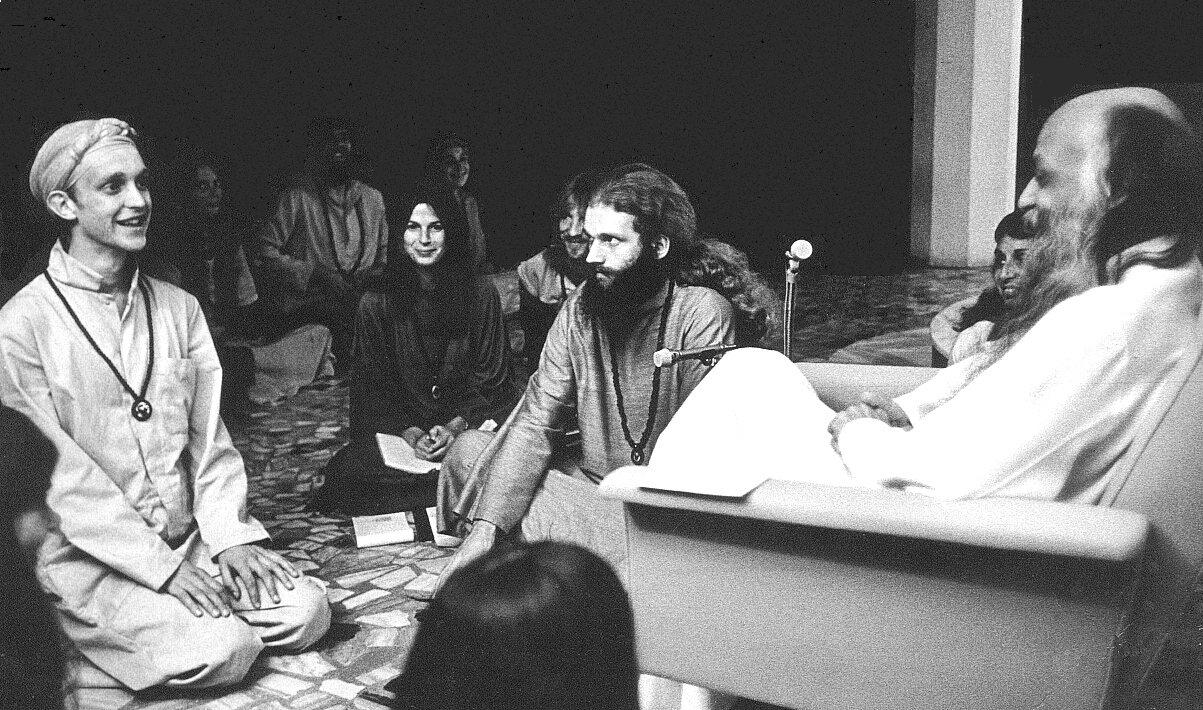
The Magnet for Western Seekers
The Pune ashram quickly grew from a modest Indian spiritual center into a booming international commune. By the late 1970s, it was receiving over 30,000 international visitors annually .
The ashram specifically attracted educated, middle-class Westerners, including psychologists, doctors, artists, and actors, who were dissatisfied with traditional Western religion and drawn to Osho's intellectual synthesis of mysticism and psychotherapy.
Osho adopted a daily routine that defined the ashram's culture: a morning discourse (alternating between Hindi and English), and an evening darshan where he answered personal questions and initiated new followers into . Initiates were required to wear orange or red clothing (the colors of the rising sun) and a mala (beaded necklace) bearing Osho's picture.
I am not creating a religion. I am creating a religiousness, a quality of innocence and unclouded celebration. Come with an open heart; drop your borrowed knowledge at the gate.
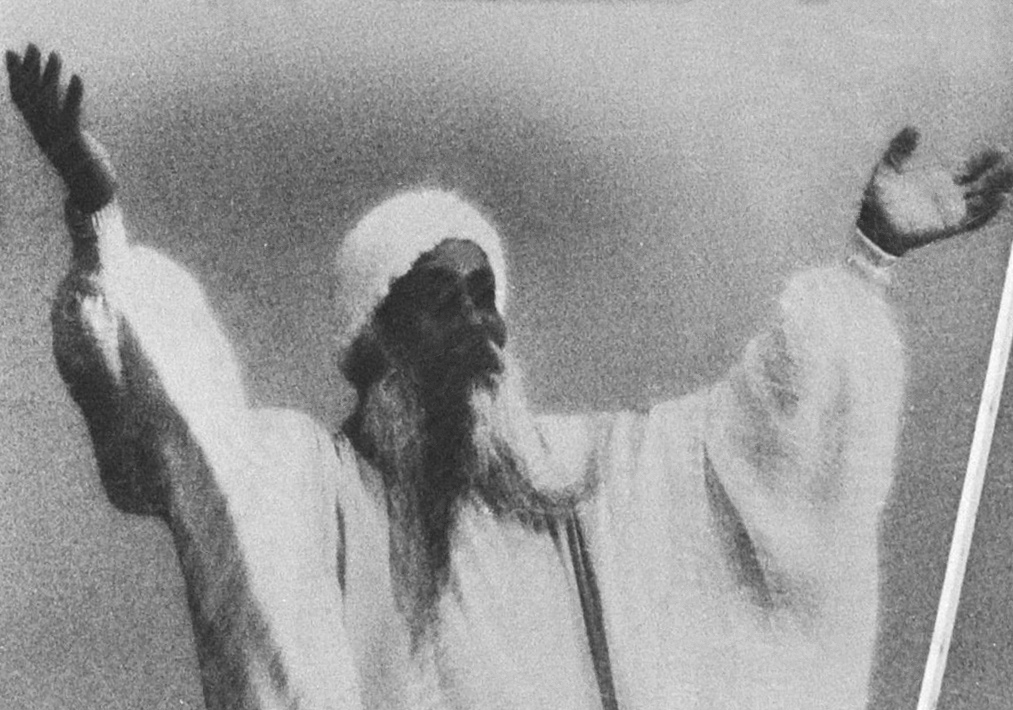
The Therapy Groups
What set the Pune ashram apart from other Indian ashrams was its massive, institutionalized focus on Western humanistic psychology. Osho invited leading therapists from centers like Esalen to lead groups at the ashram.
The ashram offered dozens of therapy groups, combining gestalt, bioenergetics, primal scream, and psychodrama. The most controversial were the "Encounter" groups .
Tensions and Departure
Despite the financial success of the ashram—which operated a massive publishing house, a bakery, and various craft industries—its rapid growth caused severe friction with the local Pune community.
Conservative Indian society was deeply offended by the influx of Westerners, the rumors of sexual promiscuity, and Osho's harsh criticisms of Indian politicians, particularly Prime Minister Morarji Desai. In response, the Indian government canceled the ashram's tax-exempt status and refused visas to foreign visitors .
Coupled with an assassination attempt on Osho in 1980 by a fundamentalist Hindu, and Osho's rapidly declining health (which his doctors attributed to asthma, diabetes, and back problems), the movement's leadership—now spearheaded by Ma Anand Sheela—began searching for a new home outside of India.
In May 1981, Osho entered a period of public silence. On June 1, 1981, he left India for the United States, effectively ending the first Pune era.
Primary References & Archival Records (3)
- [1]Charisma and Control in Rajneesh CommunitiesacademicLewis Carter. (2011). Cambridge University Press.
Sociological analysis of commune dynamics, leadership structures, and group psychology.
- [2]Bhagwan Shree RajneeshbookEncyclopaedia Britannica editors. (2024). Encyclopaedia Britannica.
Cross-verified with multiple editions. Confirms birth date, place, and background.
- [3]Bhagwan: The God That FailedmemoirHugh Milne. (1986). St. Martin's Press.
Account by a former bodyguard/sannyasin. First-person/partisan perspective.