Osho’s teachings were vast, eclectic, and intentionally contradictory. He drew from Zen, Sufism, Tantra, Taoism, and Western psychotherapy. However, two concepts form the bedrock of his unique contribution to modern spirituality: the ideal of and the creation of active meditation techniques.
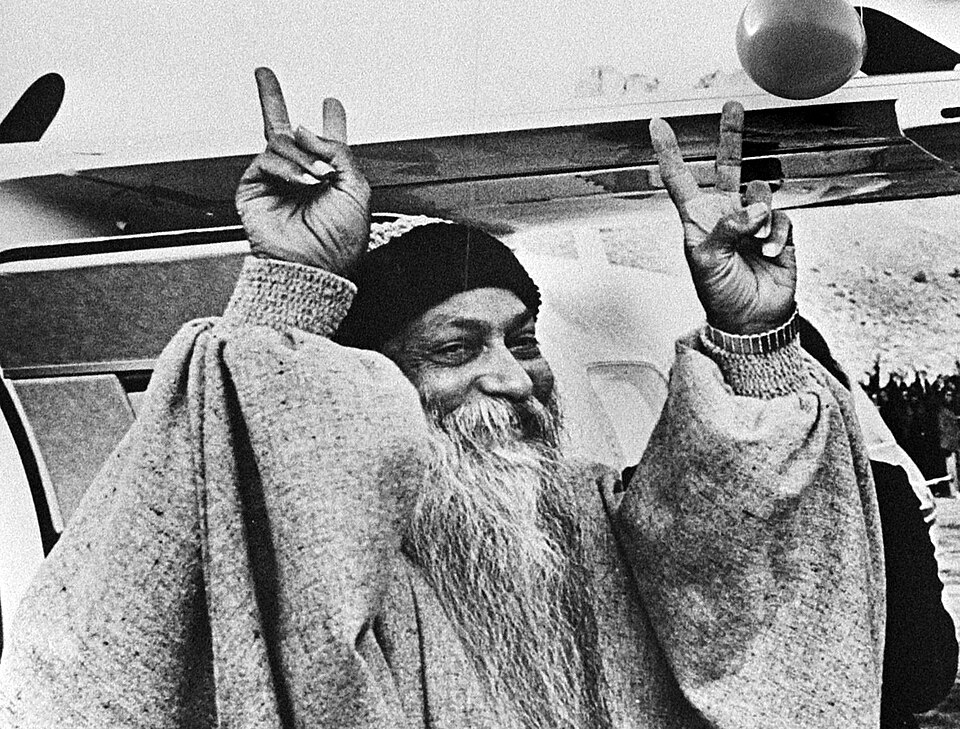
Zorba the Buddha: Integrating the Material and Spiritual
Osho vehemently rejected the traditional religious dichotomy that forced a choice between worldly success and spiritual depth. He argued that asceticism, poverty, and celibacy were not inherent requirements of awakening .
Instead, he proposed a new human ideal: "Zorba the Buddha."
- Zorba (inspired by Nikos Kazantzakis’ character Zorba the Greek) represents the earthly, sensual, joyous participant in the material world.
- The Buddha represents silent, detached, awakened consciousness.
Osho taught that true wholeness required embracing both aspects: living luxuriously and sensually while maintaining the inner silence of a meditator.
I would like you to be Zorba the Greek and Gautam the Buddha together, simultaneously. Less than that won't do. Zorba represents the earth with all its flowers and greenery and rivers. Buddha represents the sky with all its stars and silence. The sky without the earth is empty; the earth without the sky is dead. I teach their total meeting.
Against Sexual Repression
Osho was one of the first Indian spiritual teachers to openly attack sexual repression. In the 1960s, when orthodox traditions treated sex as a sin to be controlled, he published From Sex to Superconsciousness (1968).
He argued that suppressing sexuality leads directly to neurosis, guilt, and societal violence. He proposed that sexual energy, when accepted naturally, could be transformed into a gateway to higher consciousness.
Modern psychology heavily corroborates this core insight: shame and suppression surrounding natural biological drives are deeply psychologically damaging .
Active Meditations
Recognizing that modern individuals were too restless to immediately drop into silent, sitting meditation (like Vipassana or Zazen), Osho designed a series of "active meditations."
The most famous is , introduced in 1970. It is a one-hour, five-stage process designed to break deep physical and emotional tensions:
- Chaotic Breathing: Fast, deep, arrhythmic breathing to build energy.
- Catharsis: Exploding with repressed emotion (screaming, crying, laughing, shaking).
- Mantra: Jumping with arms raised, chanting "Hoo! Hoo! Hoo!" to strike the sex center.
- Silence: Sudden freezing in place, witnessing whatever is happening internally.
- Celebration: Dancing joyously.
Catharsis is needed because modern man has accumulated so much madness within. First throw it out! Once the madness is expressed, you can simply freeze and watch. You are not the body, you are not the mind; you are the unmoving witness.
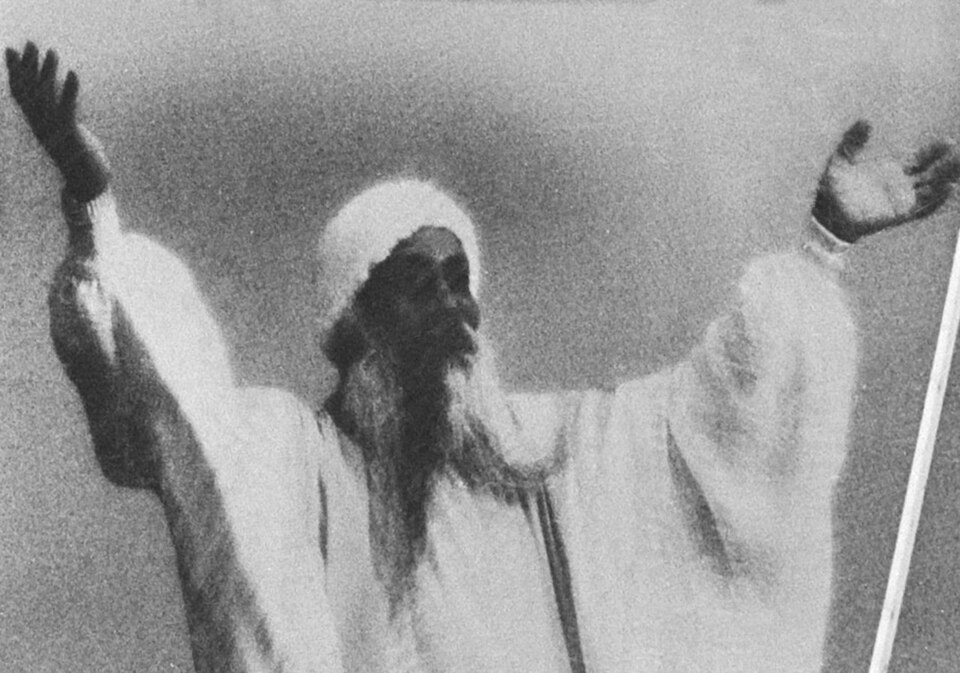
Empirical research into meditation and mindfulness supports the efficacy of the awareness practices Osho promoted, particularly the benefits of emotional regulation and reduced anxiety.
The Paradox of Surrender
While Osho's teachings on freedom from dogma and sexual liberation were progressive, his teachings on the student-teacher relationship were highly traditional and demanded total surrender. Followers were expected to surrender their intellect to the master, which created the vulnerability that Sheela exploited during the Oregon commune period .
Primary References & Archival Records (3)
- [1]Zorba the Buddha: Sex, Spirituality, and Capitalism in the Global Osho MovementacademicHugh B. Urban. (2015). University of California Press.
Academic analysis of Osho's intersection of spirituality and consumer capitalism.
- [2]The Body Keeps the Score: Brain, Mind, and Body in the Healing of TraumaacademicBessel van der Kolk. (2014). Penguin.
Foundational work on trauma and body-based therapies. Relevant to understanding cathartic therapy impact.
- [3]Charisma and Control in Rajneesh CommunitiesacademicLewis Carter. (2011). Cambridge University Press.
Sociological analysis of commune dynamics, leadership structures, and group psychology.